 admin
admin Best Cutting Boards 2025 (Wood vs. Plastic)
A bad cutting board ruins your knives and makes prep work a chore. A good one protects your blades and stays steady on the counter.
Here are 4 strong picks: two wooden boards for durability and looks, and two plastic boards for easy cleanup.
Quick picks
- John Boos Maple R-Board (24×18) Best upgrade (Wood)
- Teakhaus Edge Grain (15×20) Best overall (Wood)
- OXO Good Grips Carving Board Best overall (Plastic)
- OXO Utility Cutting Board Best for quick tasks
Top picks
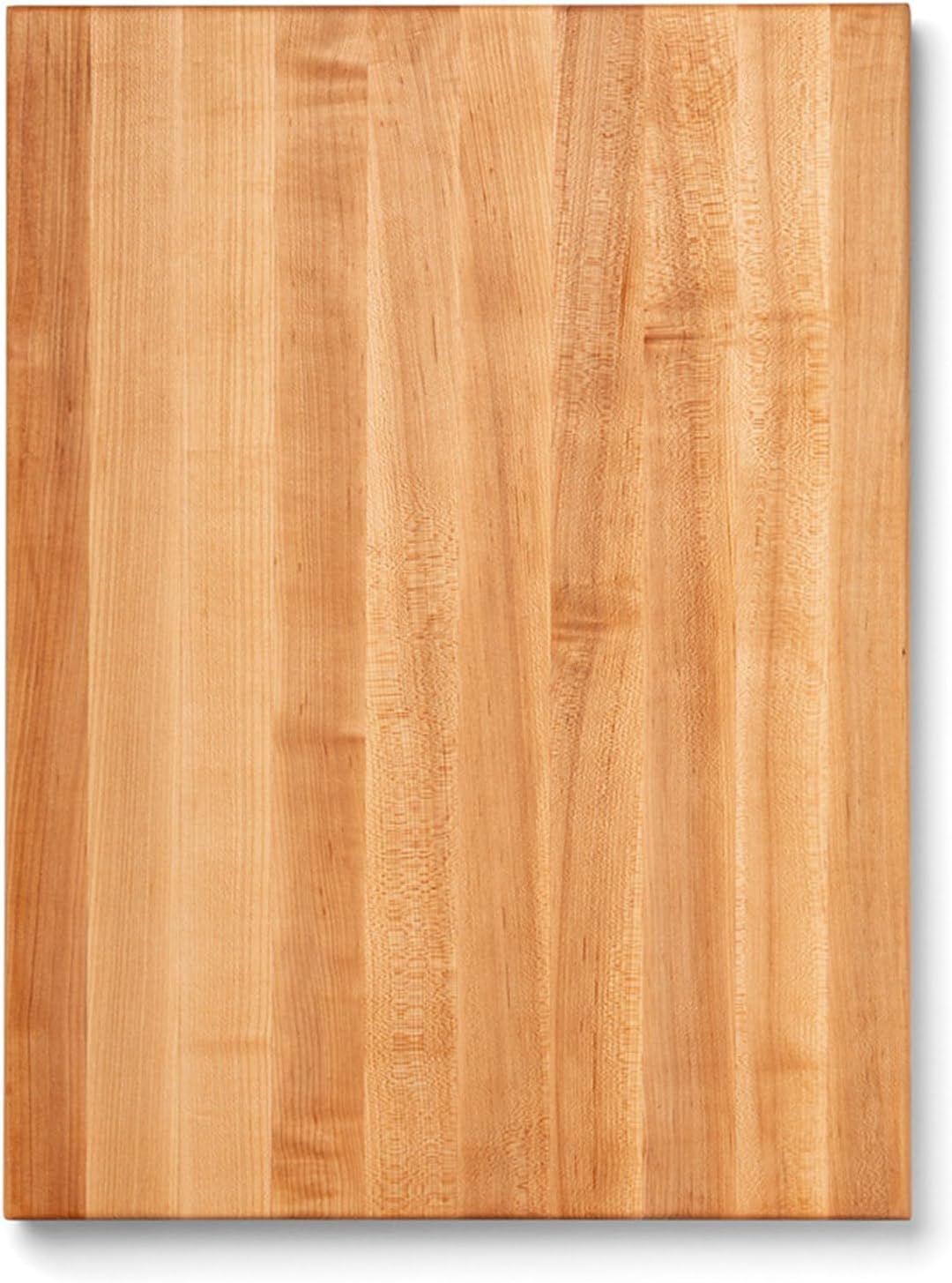
This is a big, stable board that feels like a serious kitchen upgrade. With basic oiling and hand-washing, it can last for years and stays gentle on knife edges.
Pros
- Very stable on the counter.
- Reversible (use both sides).
- Knife-friendly surface.
Cons
- Needs occasional oiling.
- Heavy to move and clean.
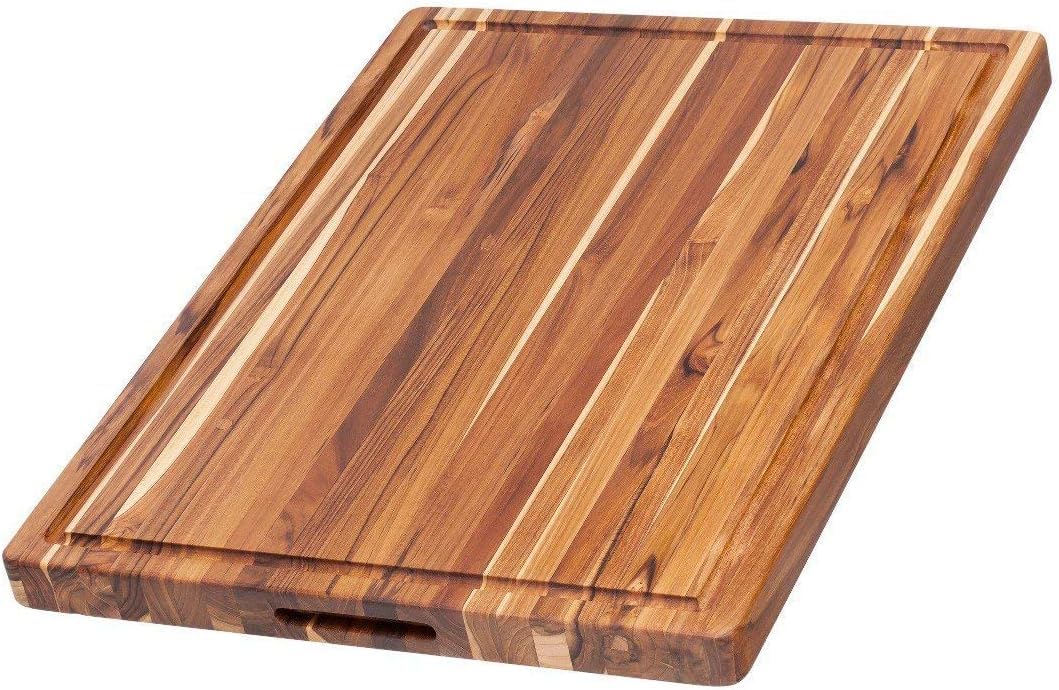
Teak is naturally moisture-resistant, so it’s a bit more forgiving than many other woods. This board looks great, handles daily prep well, and the juice groove helps with juicy foods.
Pros
- Moisture-resistant wood.
- Great size for everyday cooking.
- Juice groove for messier prep.
Cons
- Hand-wash only.
- Still benefits from occasional oiling.
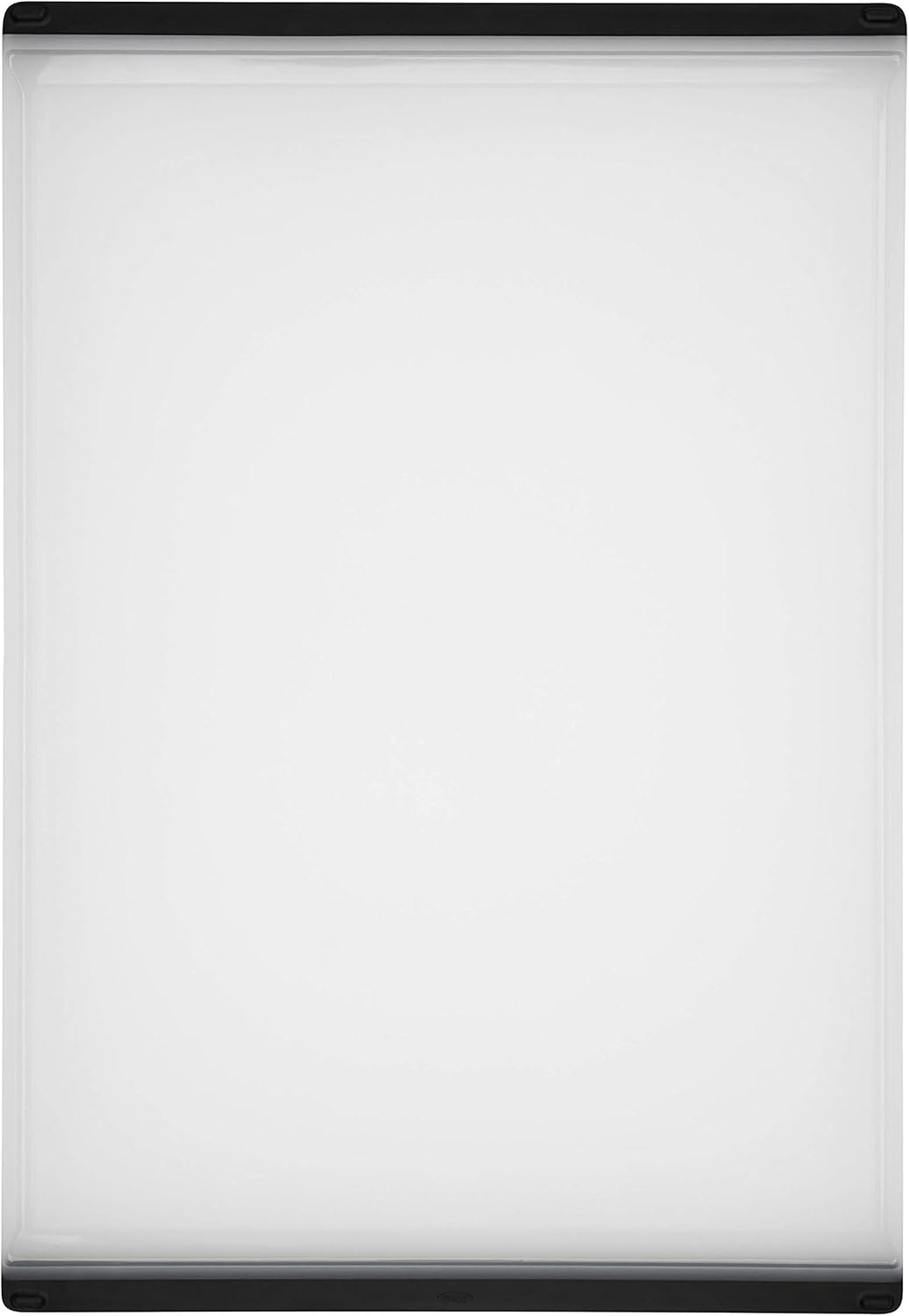
This is the practical choice for messy prep—raw chicken, fish, and anything you want to sanitize fast. It’s grippy, roomy, and easy to clean.
Pros
- Dishwasher-safe cleanup.
- Non-slip edges/feet.
- Juice groove helps contain mess.
Cons
- Shows knife marks over time.
- Not as “nice” looking as wood.
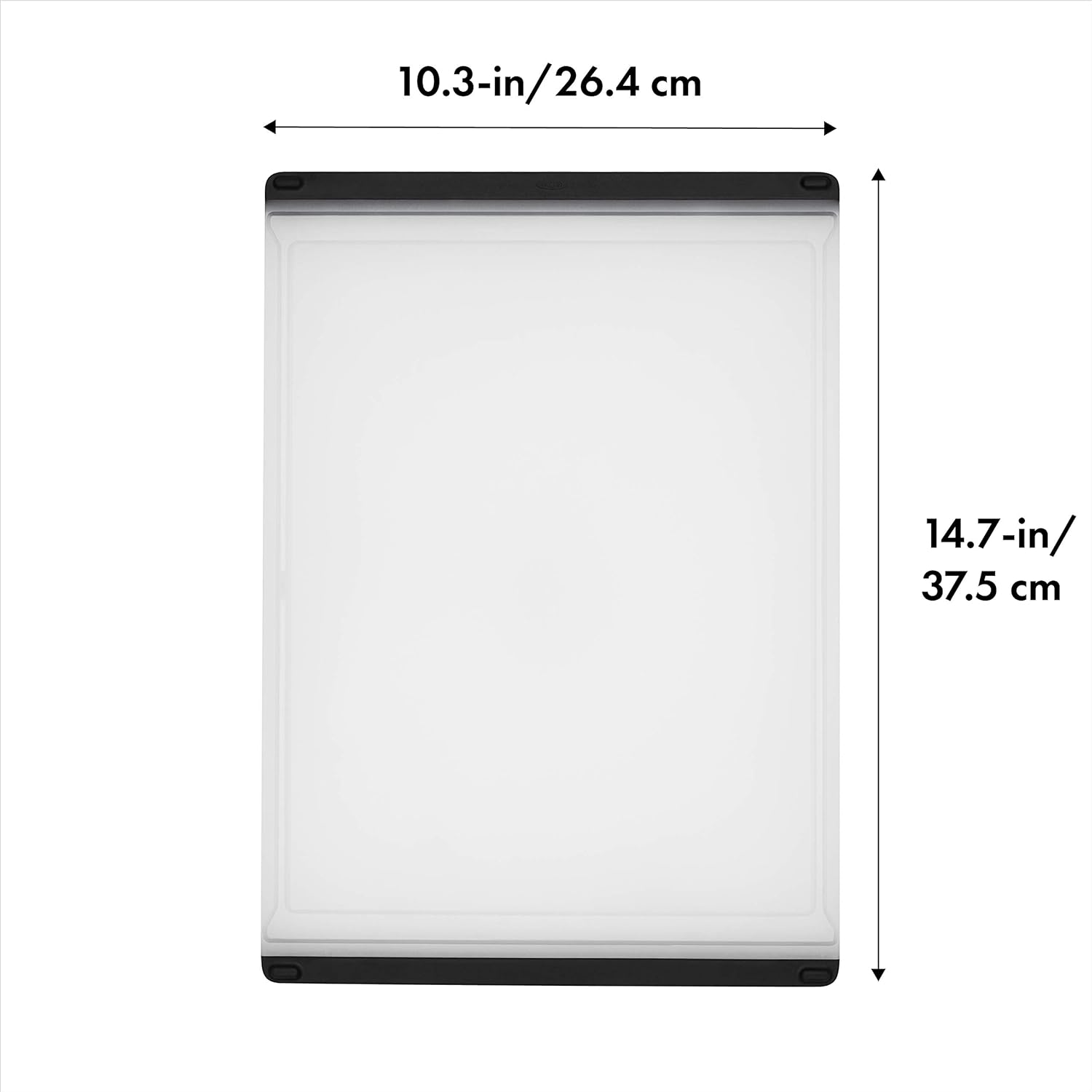
A compact board is perfect for lemons, sandwiches, and quick daily chopping. This one is light, affordable, and easy to stash away.
Pros
- Lightweight and easy to store.
- Affordable.
- Great for small kitchens.
Cons
- Too small for big meal prep.
- Less space for carving.
Wood vs. plastic: quick comparison
| Feature | Wood boards | Plastic boards |
|---|---|---|
| Knife-friendliness | Usually gentler on edges for daily chopping. | Can feel harder; shows deeper knife scars over time. |
| Cleaning | Hand-wash only; occasional oiling helps longevity. | Often dishwasher-safe, great for fast sanitizing. |
| Best use | Vegetables, bread, cooked foods, “main prep station”. | Raw meat, fish, messy prep, quick cleanup. |
FAQs
Should you use wood or plastic for raw chicken?
Plastic is usually the easiest option for raw chicken because you can sanitize it more aggressively (often in the dishwasher, if the board is rated dishwasher-safe).
Do wooden cutting boards need oil?
Yes—most wooden boards last longer if you oil them occasionally, especially if they look dry or start absorbing water quickly.
When should you replace a plastic cutting board?
If it develops deep grooves that are hard to clean, it’s a good time to replace it (those cuts can trap residue and odors).